
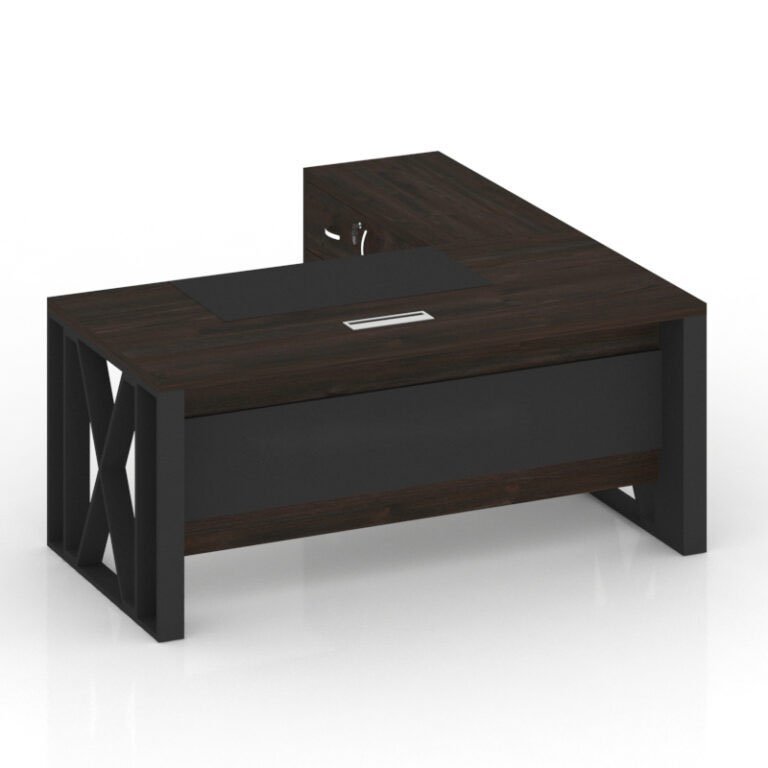
 Executive Desk
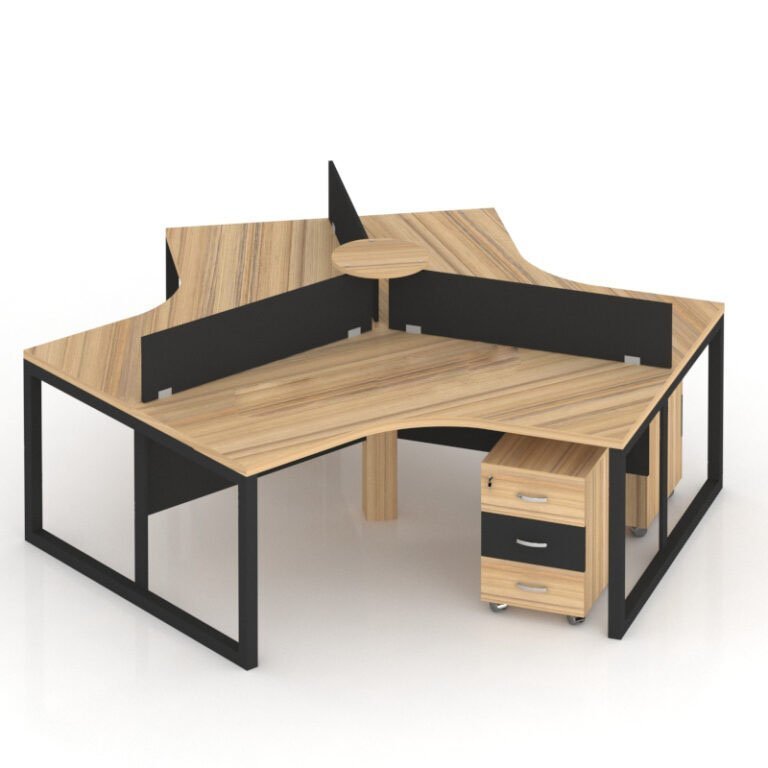 Workstation Desk
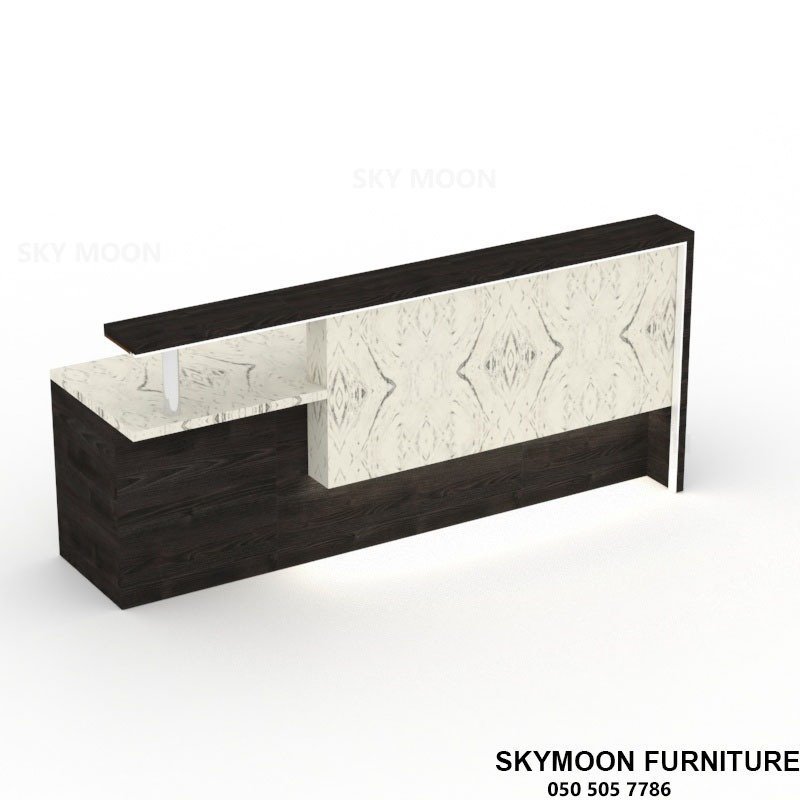 Reception Desk
 Computer Standing Desks
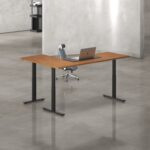 Height Adjustable Desk

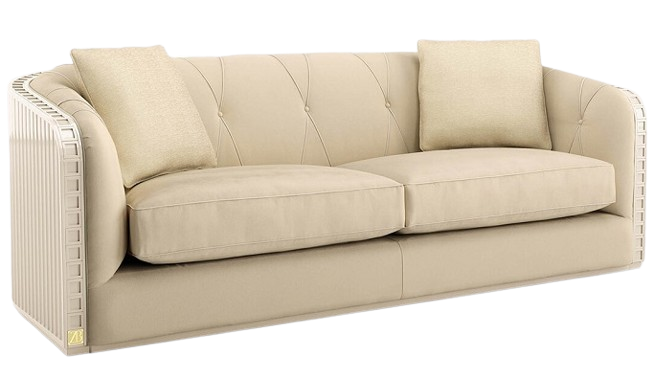 Office Sofas
 Carpet Tiles
 Wooden Flooring
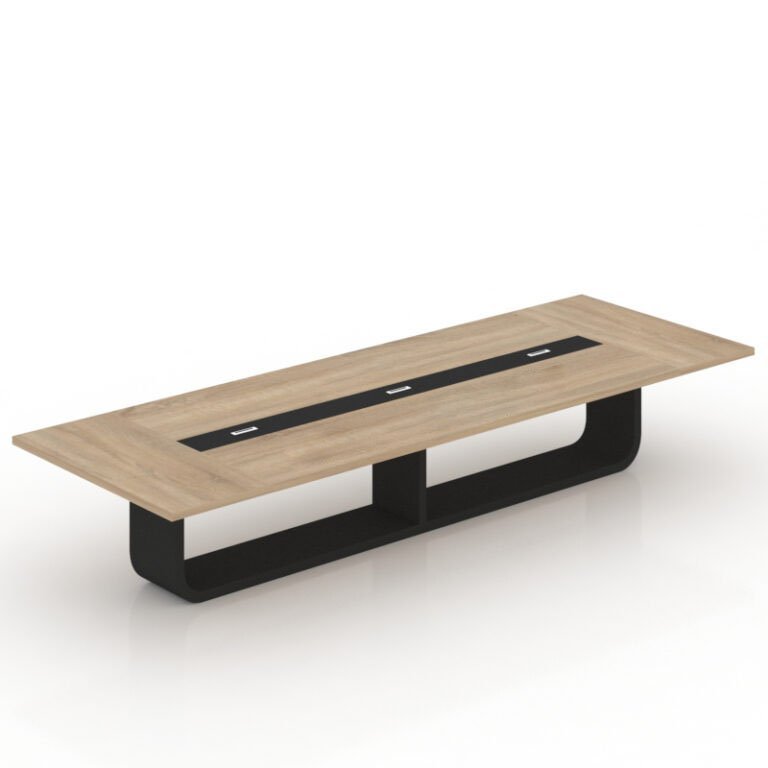 Conference Table
 Folding Table
 Round Meeting Table
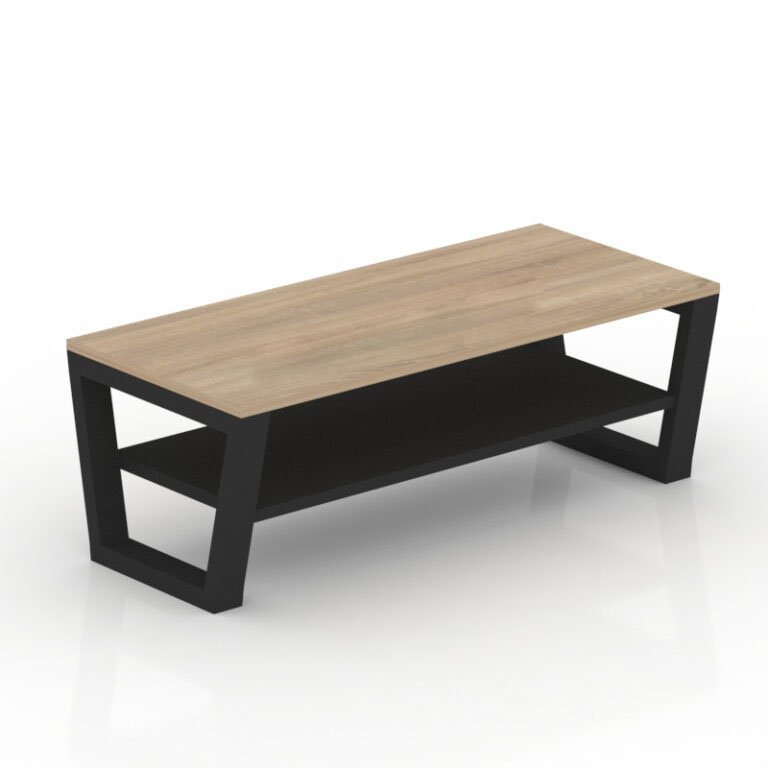 Coffee Table
 Pedestal Drawers
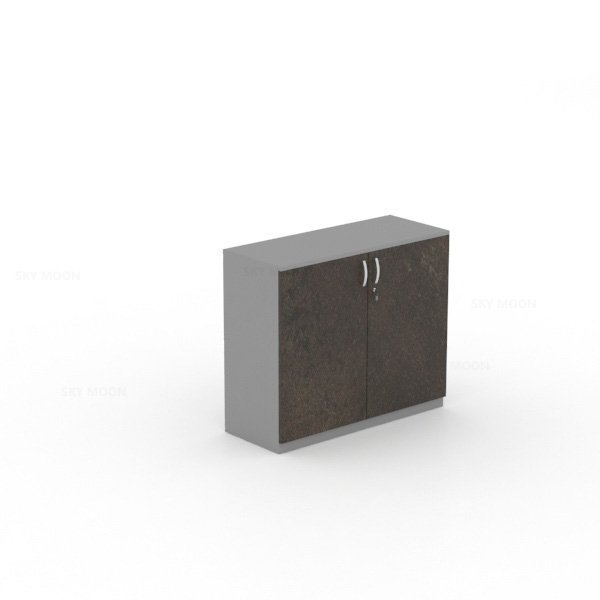 Low Cabinets
 High Cabinets
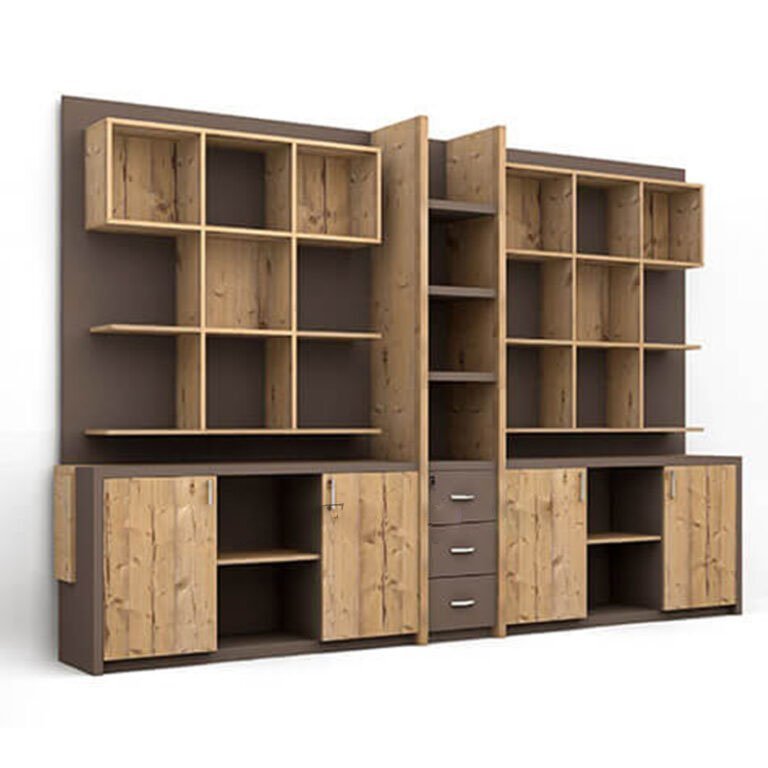 Display Storage Cabinets
 TV Units And Cabinets

Custom Office Furniture Manufacturing in Dubai: A Complete Guide 2025


Walk into any thriving Dubai office today, and you’ll notice something interesting. The furniture doesn’t just fill space, it tells a story. From the sleek executive desk that commands respect to the collaborative workstations that spark innovation, every piece serves a purpose.
That’s the power of custom office furniture manufacturing.
In a city where businesses compete not just on services but on brand identity and employee experience, off-the-shelf furniture simply doesn’t cut it anymore. Custom-made office furniture has become the go-to solution for companies that want their workspace to reflect their vision, values, and unique operational needs.
This guide walks you through everything you need to know about custom office furniture manufacturing in Dubai, from understanding what makes furniture truly “custom” to choosing the right manufacturer and making smart investment decisions. Whether you’re setting up a new office, rebranding your workspace, or simply upgrading your furniture, you’ll find actionable insights here.
Understanding the Dubai Office Furniture Market
Dubai’s office furniture industry has grown remarkably over the past decade. As the emirate positioned itself as a global business hub, the demand for quality workspace solutions skyrocketed.
The numbers tell the story. The UAE furniture market is projected to reach substantial growth figures, driven largely by commercial real estate expansion and the influx of multinational corporations setting up regional headquarters.
What’s particularly interesting about Dubai’s market is how diverse it is. You’ve got multinational corporations wanting furniture that matches their global brand standards. You’ve got ambitious startups looking for flexible, budget-conscious solutions. And you’ve got government entities and educational institutions requiring durable, functional designs that last.
This diversity has pushed manufacturers to innovate constantly. Today’s Dubai office furniture market isn’t just about desks and chairs, it’s about creating environments that enhance productivity, support wellbeing, and make bold design statements.
Key market drivers include:
- Rapid commercial real estate development across Dubai and Abu Dhabi
- Growing emphasis on employee wellness and ergonomic design
- Sustainability requirements and green building certifications
- The rise of hybrid work models demanding flexible furniture solutions
- Branding consciousness among businesses of all sizes
What Is Custom Office Furniture?
Let’s clear up what “custom” actually means, because the term gets thrown around quite a bit.
Custom office furniture refers to pieces specifically designed and manufactured according to your exact specifications. Unlike ready-made furniture where you pick from preset options, custom manufacturing gives you control over nearly every aspect of the final product.
Main categories of custom office furniture include:
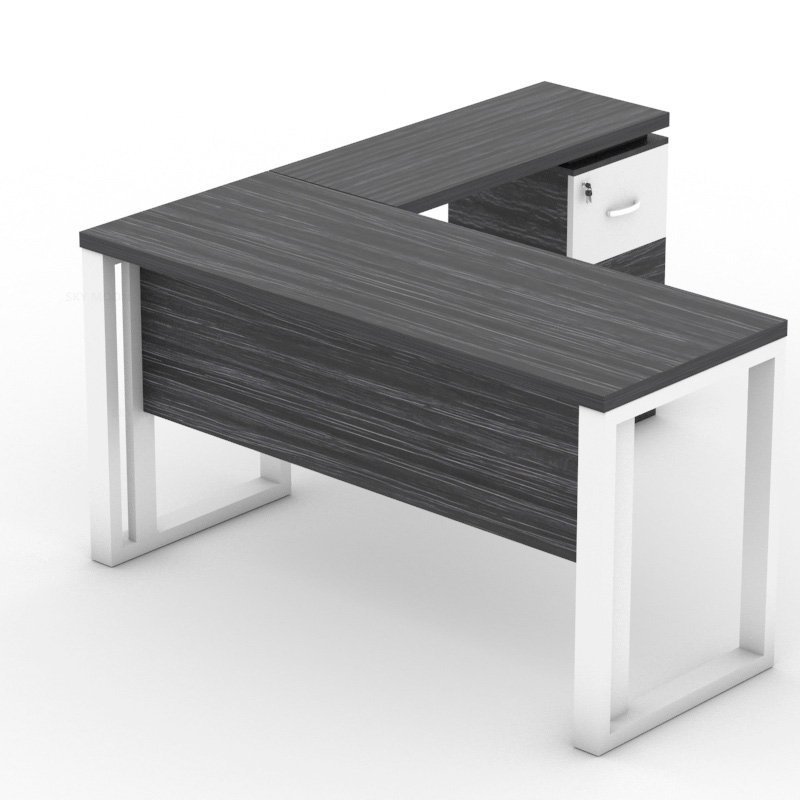
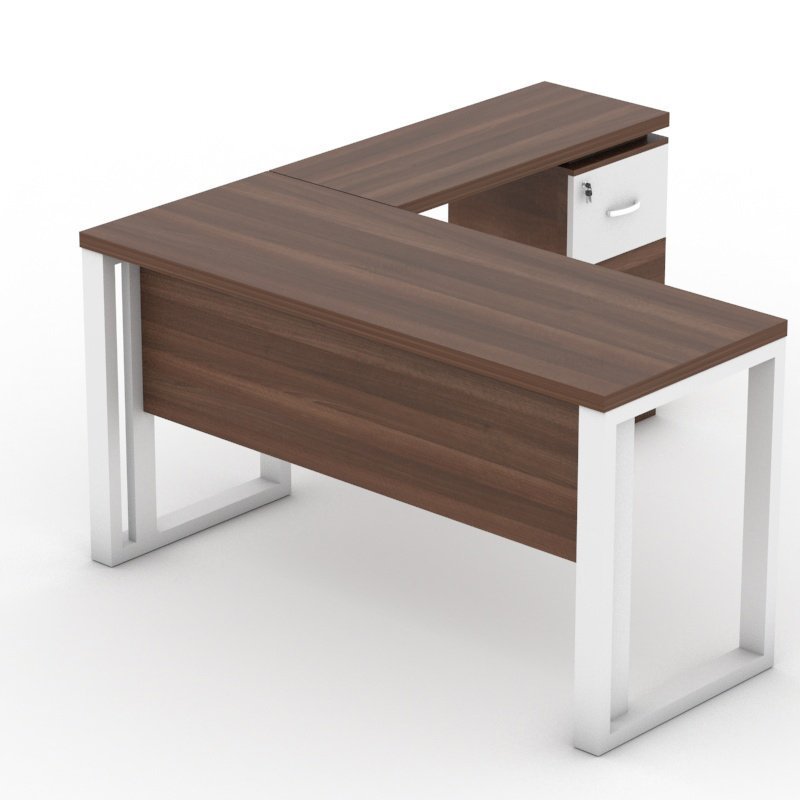
Workstations: Individual desks, open-plan systems, cubicles, and collaborative work areas designed to maximize your floor plan.
Executive Desks: Premium desks crafted to reflect leadership and authority while providing functionality for modern executives.
Conference Tables: Meeting tables sized and styled specifically for your conference rooms and collaboration needs.
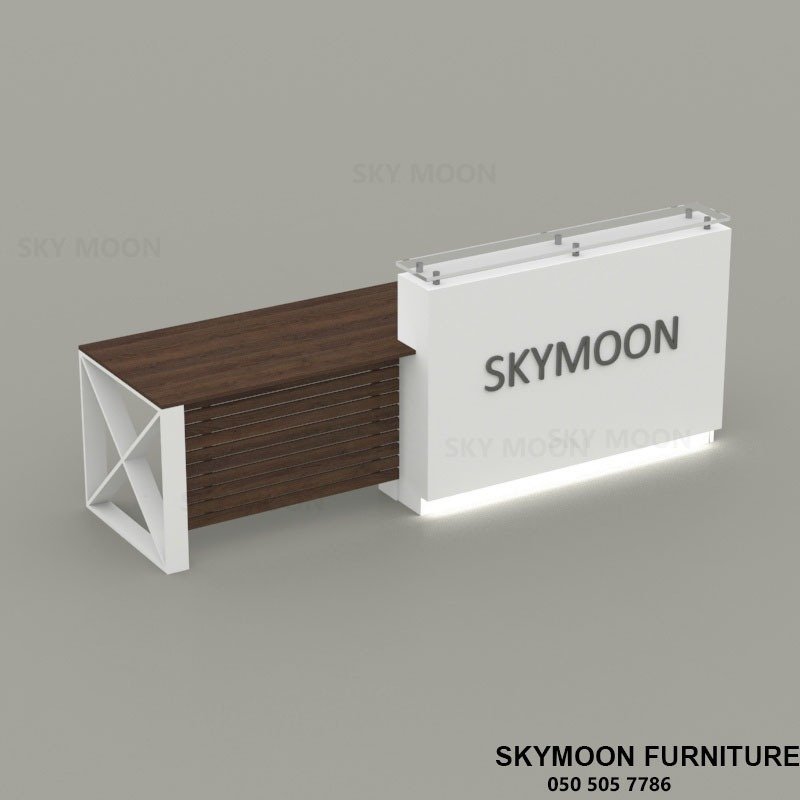
Reception Desks: First-impression pieces that embody your brand identity the moment visitors walk through your door.
Seating: Task chairs, executive chairs, and lounge seating customized for comfort and aesthetic consistency.
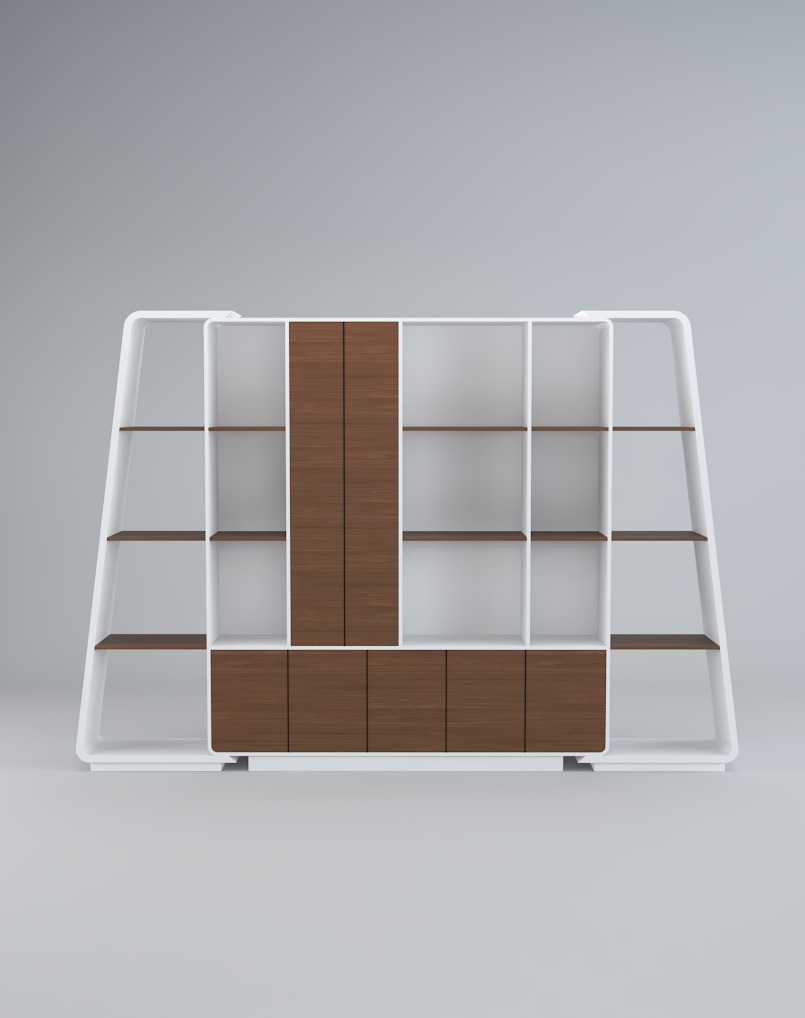
Storage Solutions: Cabinets, pedestals, credenzas, and shelving units designed to fit your space and organizational needs perfectly.
The level of customization varies. You might customize just the dimensions and finishes, or you might design something unique from the ground up. Some businesses choose to incorporate company logos, specific color schemes that match their branding, or even integrate technology like built-in charging ports and cable management systems.
Here’s what separates custom from ready-made. With custom furniture, the design adapts to your space. With ready-made furniture, your space has to adapt to the furniture.
Benefits of Choosing Custom Office Furniture in Dubai
Why do so many Dubai businesses invest in custom furniture when cheaper alternatives exist? The answer comes down to five compelling advantages.
- Space Optimization and Functionality
Dubai real estate doesn’t come cheap. Every square foot matters. Custom furniture allows you to maximize your available space in ways standard pieces simply can’t. That awkward corner? Turn it into a functional workstation. That oddly-shaped conference room? Get a table that actually fits properly instead of leaving wasted gaps.
- Brand Consistency and Visual Impact
Your office is a physical representation of your brand. Custom furniture ensures every element from color schemes to materials to design style with your brand identity. When clients visit, they should feel your brand’s essence, not see generic furniture that could belong to any company.
- Enhanced Comfort and Productivity
Ergonomics aren’t optional anymore. They’re essential. Custom manufacturing lets you specify ergonomic features tailored to your team’s needs. The right desk height, proper lumbar support in chairs, adjustable elements these details directly impact employee comfort, health, and ultimately, productivity.
- Superior Quality and Durability
When you commission custom furniture, you choose the materials. Want solid wood instead of particle board? Done. Prefer commercial-grade upholstery that’ll withstand daily use? You got it. This control over material quality translates directly into furniture lifespan and durability.
- Long-Term Cost Efficiency
Yes, custom furniture costs more upfront. But here’s the reality: quality custom pieces often last 10-15 years or more with proper care. Cheap ready-made furniture might need replacement every 3-5 years. Do the math, and custom furniture frequently wins the long-term value game.
Why Work with a Local Manufacturer in Dubai
You could technically order custom furniture from anywhere in the world. But working with a Dubai-based manufacturer offers distinct advantages worth considering.
- Local Market Understanding
Dubai manufacturers understand the UAE business environment. They know local design preferences, climate considerations (humidity and temperature matter for furniture longevity), and cultural nuances that might affect design choices.
- Speed and Logistics
Manufacturing locally dramatically reduces lead times. Instead of waiting months for overseas production and shipping, you’re looking at weeks. Installation is simpler, too local manufacturers can coordinate directly with your facility management without timezone headaches.
- Communication and Collaboration
Ever tried explaining detailed design preferences over email to someone halfway across the world? It’s frustrating. Local manufacturers offer face-to-face consultations, site visits, and easier back-and-forth during the design process. You can literally walk into their showroom or factory.
- Compliance and Standards
UAE has specific standards for commercial furniture, particularly around fire safety and environmental regulations. Local manufacturers already build to these standards, eliminating compliance worries.
Key Considerations Before Ordering Custom Furniture
Don’t rush into custom furniture decisions. Smart planning upfront prevents expensive mistakes later.
- Space Assessment
Start with accurate measurements. Not just room dimensions, but consider ceiling height, door widths (for delivery), window placement, electrical outlets, and HVAC vents. Think about traffic flow and how people will move through the space.
- Material Selection
Different materials offer different benefits. Solid wood provides timeless elegance and exceptional durability. Metal frames add strength, stability, and modern aesthetic appeal. Premium board materials like EGGER® from Germany offer superior quality and finish options. Corian tops deliver seamless, hygienic surfaces perfect for high-use areas. Consider maintenance requirements, durability needs, and aesthetic goals.
- Budget Planning
Custom furniture costs vary widely. Be realistic about budget constraints but understand where you should invest more. Executive furniture and client-facing pieces typically warrant higher investment than back-office storage. Get detailed quotes that break down costs clearly.
- Functional Requirements
How will people actually use this furniture? Executives need different desk features than designers or accountants. Think about storage needs, technology integration, privacy requirements, and collaboration spaces.
- Timeline Expectations
Custom furniture manufacturing isn’t instant. From initial consultation to final installation, expect 6-12 weeks on average, though complex projects may take longer. Factor this into your office planning timeline.
- Warranty and Service Terms
Understand what’s covered and for how long. Quality manufacturers typically offer 1-5 year warranties on different components. Clarify who handles repairs, what’s included in installation, and whether future modifications are possible.
The Manufacturing Process of Custom Office Furniture

Understanding how custom furniture gets made helps you participate more effectively in the process.
- Consultation and Needs Assessment
Everything starts with conversation. A good manufacturer will ask detailed questions about your space, team size, work style, aesthetic preferences, and budget. They’ll likely visit your site to assess the space firsthand.
- Design Development
Designers create initial concepts based on your requirements. Modern manufacturers use 3D visualization software, letting you see realistic renderings before production begins. This stage involves collaboration you’ll provide feedback, request changes, and refine the design until it’s exactly right.
- Material Selection and Costing
Once the design is approved, you’ll finalize material choices. The manufacturer provides detailed cost breakdowns and helps you make trade-offs if needed to meet budget targets.
- Production
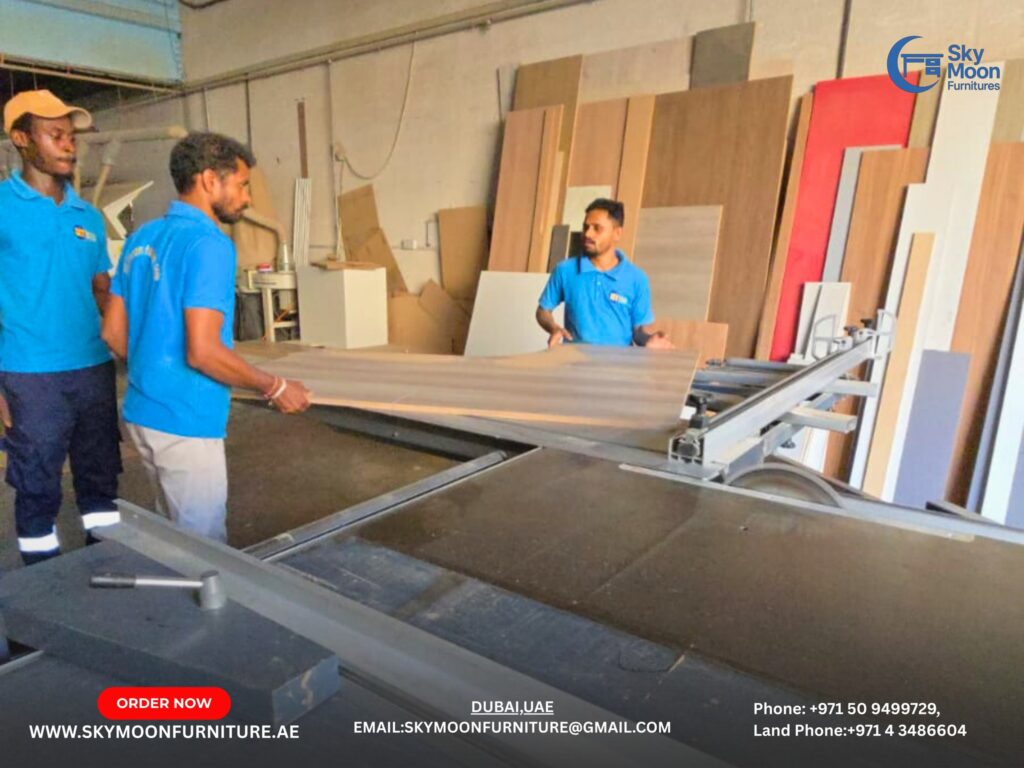
Here’s where craftsmanship meets technology. Skilled workers use CNC machines, precision cutting tools, and traditional woodworking techniques to manufacture your furniture. Quality manufacturers maintain strict production standards, with checkpoints throughout the process.
- Quality Control
Before furniture leaves the factory, it undergoes thorough inspection. Dimensions are verified, finishes are examined, joints are tested, and functionality is confirmed.
- Delivery and Installation
Professional teams handle transportation and installation. They’ll assemble pieces on-site, make any necessary adjustments, and ensure everything works perfectly before considering the job complete.
Throughout this process, reputable manufacturers like Skymoon Furniture maintain communication, updating you on progress and addressing any concerns immediately.
How to Choose the Right Manufacturer in Dubai
Not all furniture manufacturers are created equal. Here’s how to separate the exceptional from the mediocre.
Experience and Portfolio
Look for manufacturers with proven track records. How long have they been in business? What types of projects have they completed? Ask to see their portfolio, particularly projects similar to yours in scope and style.
Manufacturing Capabilities
Do they handle everything in-house, or do they outsource parts of the process? In-house manufacturing typically means better quality control and faster turnaround. Visit their facility if possible a well-organized, modern workshop speaks volumes.
Design Expertise
Can they help with design, or do you need to bring fully-developed plans? The best manufacturers offer design assistance, helping translate your vision into functional, manufacturable furniture.
Client Feedback
Don’t just take their word for it. Ask for references and actually contact past clients. What did they appreciate? Were there challenges? Would they work with this manufacturer again?
Questions to ask before signing:
- What’s the typical lead time for projects like mine?
- How do you handle design changes during production?
- What warranty do you provide, and what does it cover?
- Do you handle delivery and installation?
- Can you provide additional matching pieces in the future?
- How do you handle repairs or issues after installation?
Service Scope
Comprehensive service makes your life easier. Look for manufacturers who offer end-to-end solutions: design consultation, 3D visualization, manufacturing, delivery, installation, and after-sales support.
Cost and Budget Breakdown
Let’s talk money. Custom furniture investment varies significantly based on several factors.
Pricing Elements:
Materials: Solid wood costs more than veneer, which costs more than laminate. Premium upholstery, specialty finishes, and imported hardware all increase costs.
Complexity: Simple designs cost less than intricate ones. Built-in technology, special mechanisms, and unusual shapes require more labor and expertise.
Quantity: Ordering furniture for an entire office typically offers better per-piece pricing than single items.
Customization Level: Slight modifications to standard designs cost less than completely unique pieces designed from scratch.
Average Price Ranges (approximate):
- Standard workstation desks: AED 1,500 – 4,000 per unit
- Executive desks: AED 4,000 – 12,000+
- Conference tables: AED 5,000 – 20,000+ depending on size and features
- Reception desks: AED 6,000 – 15,000
- Office chairs (task/executive): AED 800 – 3,500
- Storage solutions: AED 1,000 – 5,000
These are ballpark figures. Your actual costs depend on your specific requirements and choices.
Cost-Saving Strategies:
Prioritize investment: Splurge on client-facing furniture and ergonomic chairs. Save on back-office storage where aesthetics matter less.
Mix custom and standard: Use custom pieces where they truly add value, and supplement with quality ready-made items where appropriate.
Choose wisely on materials: Sometimes mid-range materials deliver 90% of premium appearance at 60% of the cost.
Plan for longevity: Paying more for durability usually costs less than replacing cheap furniture repeatedly.
Think of custom furniture as an investment, not an expense. Quality workspace furniture improves employee satisfaction, enhances your brand image, and lasts for years. When you amortize costs over the furniture’s lifespan, the per-year cost often seems quite reasonable.
Maintenance and Lifespan of Custom Office Furniture
Custom furniture represents significant investment. Protect that investment with proper care.
Material-Specific Care:
Wood and Veneer: Dust regularly with soft cloths. Avoid harsh chemicals. Use coasters to prevent water rings. Polish occasionally with appropriate wood care products.
Laminate: Wipe with damp cloth and mild detergent. Avoid abrasive cleaners that can scratch the surface. Extremely durable and low-maintenance.
Upholstery: Vacuum regularly to prevent dirt buildup. Address spills immediately. Schedule professional cleaning annually.
Metal and Glass: Clean with appropriate glass cleaners or metal polishes. Check and tighten hardware periodically.
Longevity Tips:
- Avoid placing furniture in direct sunlight, which fades finishes over time
- Use proper techniques when moving furniture don’t drag pieces across floors
- Address small issues immediately before they become big problems
- Schedule annual professional inspections for executive and high-use furniture
- Train staff on proper use and care
Expected Lifespan:
With proper maintenance, quality custom office furniture typically lasts:
- Executive desks and conference tables: 15-20 years
- Workstation desks: 10-15 years
- Office chairs: 7-12 years (depending on usage intensity)
- Storage cabinets: 15-20 years
When furniture eventually needs replacement, consider refurbishment options. Many pieces can be refinished, reupholstered, or updated rather than completely replaced, extending their useful life and supporting sustainability goals.
Future Trends in Office Furniture Manufacturing
The office furniture industry keeps evolving. Here’s where it’s headed.
Smart and Ergonomic Integration
Tomorrow’s office furniture incorporates technology seamlessly. Think height-adjustable desks with memory settings, chairs with posture sensors, and desks with built-in wireless charging. Ergonomics are becoming increasingly sophisticated, with furniture that adapts to individual users.
Sustainable Materials and Practices
Environmental consciousness drives material choices. Manufacturers increasingly use recycled materials, sustainable wood sources, and eco-friendly finishes. Expect to see more bamboo, reclaimed wood, and recycled plastics in high-quality furniture.
Modular and Flexible Systems
As work styles evolve, furniture needs to adapt. Modular systems that reconfigure easily are gaining popularity. Furniture that serves multiple purposes a desk that converts to a standing work surface, or a conference table that separates into individual workstations offers flexibility modern offices need.
Biophilic Design Elements
Incorporating nature into office design improves wellbeing. Furniture with integrated planters, natural wood grains, and organic shapes connects workers with nature even in urban Dubai offices.
Hybrid Work Considerations
The rise of hybrid work models influences furniture design. Offices need fewer fixed workstations but more flexible collaboration spaces. Furniture that supports both focused individual work and impromptu team meetings is increasingly valuable.
Dubai, always at the forefront of innovation, will likely lead adoption of these trends in the Gulf region.
Custom office furniture manufacturing in Dubai offers businesses the opportunity to create workspaces that truly work spaces that reflect brand identity, support productivity, and enhance employee wellbeing.
The key takeaways from this guide:
- Custom furniture provides benefits that justify the investment: perfect fit, brand alignment, superior quality, and long-term value
- Working with local Dubai manufacturers offers speed, communication advantages, and ongoing support
- Successful custom furniture projects start with thorough planning: accurate space assessment, clear functional requirements, and realistic budgets
- The manufacturing process requires collaboration and patience, but results in furniture perfectly suited to your needs
- Proper maintenance extends furniture lifespan significantly, protecting your investment
Ready to start your custom office furniture project?
First, assess your current space and identify specific pain points. What’s not working in your current setup? What do you wish you had?
Next, develop a clear vision. Collect inspiration images, identify must-have features, and establish budget parameters.
Then, research manufacturers. Look at portfolios, read reviews, and visit showrooms. Companies like Skymoon Furniture specialize in custom office solutions and can guide you through the entire process.
Finally, engage with your chosen manufacturer. Schedule consultations, ask questions, and start the design process. Remember this is collaboration. The more clearly you communicate your vision and needs, the better the final result will be.
Your office space shapes how your team works and how clients perceive your business. Invest in furniture that makes both work better.